Children’s Toy Design Elements for Graphics and Coloring Pages
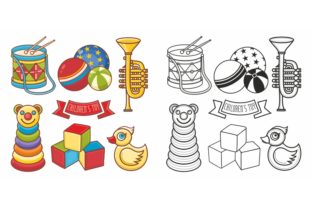
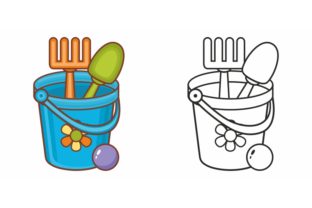
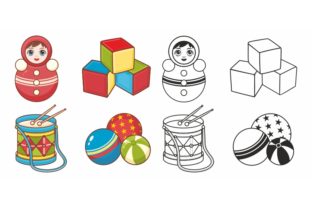
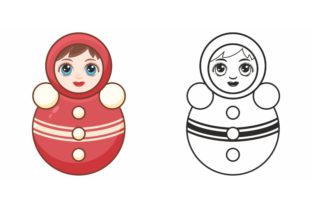
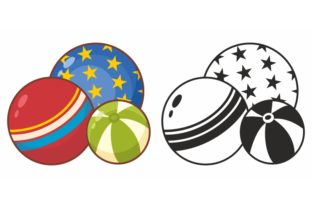
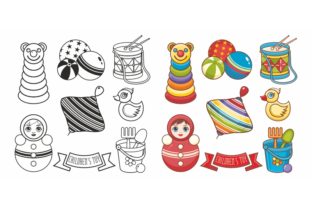
When I first opened the Children’s Toy. Design Elements graphic asset, it immediately brought a sense of playful nostalgia to my design workspace. The illustration features a charming array of baby toys—like the roly poly tumbler doll, yellow duck, pyramid, and drum—each rendered with soft curves and bright, inviting colors. This design feels like a perfect blend of whimsy and simplicity, making it an ideal candidate for creative projects that target young audiences or evoke a sense of innocence and joy.
A Playful Mood for Branding and Marketing
The visual elements in this design asset naturally lend themselves to a cheerful and approachable brand identity. For a handmade toy business or a boutique product line, this graphic could serve as a strong foundation for logo design, packaging visuals, or social media content. The use of classic playthings creates an emotional connection with parents and children alike, reinforcing themes of safety, fun, and creativity.
This set of illustrations would be especially effective in branding for educational products, early learning kits, or family-oriented events. Its style is reminiscent of vintage coloring pages, which can be a great touch for retro-inspired campaigns or modern designs looking to incorporate a nostalgic feel.
Real-World Applications in Design Projects
One of the most appealing aspects of this graphic design asset is its versatility. It works well in large layout areas such as hero graphics on websites or product mockups for print-on-demand stores. The detailed nature of each toy makes it suitable for decorative accents in packaging design or as part of a themed collection for an Etsy shop or handmade brand.
In digital marketing, these illustrations can enhance the visual mood of social media posts, Pinterest pins, or Instagram stories. When paired with text, they help guide the viewer’s eye and create a cohesive look across different platforms. They also perform well in editorial design, such as blog visuals or magazine layouts focused on parenting, child development, or creative play.
For those working with Cricut projects, printable wall art, or sticker designs, the clean lines and recognizable shapes make this asset easy to integrate into various formats. The file format options, including PNG and SVG, offer flexibility for both digital and physical applications, from t-shirt design to sublimation prints.
Where This Asset Shines and Where It Needs Caution
This design element excels in environments where a warm, friendly aesthetic is desired. It shines in campaign visuals, promotional materials for local events, and even as part of a larger brand identity for a small business. However, it should be used carefully in contexts that require a minimalist or highly professional look.
On crowded layouts or in small sizes, the intricate details might become lost or appear cluttered. Similarly, when placed against complex backgrounds or in low-contrast designs, the visual impact may diminish. For corporate materials or projects that demand a very clean visual hierarchy, this asset may not be the best fit unless it's adapted or layered appropriately.
Design Considerations for Commercial Use
Before using this creative design asset for a client project, there are several practical considerations to keep in mind. Test it in black and white to ensure the outlines remain clear and recognizable. Check how it performs on both light and dark backgrounds, and preview it at different sizes to confirm readability and clarity.
It’s also important to review the file formats thoroughly. If the asset includes PNG transparency, test how it integrates with other design elements. For vector-based formats like SVG, consider whether any editing will be needed to align with the brand’s specific needs. Always confirm commercial licensing before incorporating it into a client project, especially if it’s being used for print-on-demand or digital storefronts.
Compare the illustrations with different font styles—serif, sans serif, script, handwritten, or display—to ensure the typography complements the overall design. A mismatch in style can affect the professionalism and cohesiveness of the final product.
Final Thoughts on Children’s Toy Design Elements
Overall, the Children’s Toy. Design Elements graphic asset is a valuable addition to any designer’s toolkit. Whether you're working on branding for a handmade business, creating engaging content for a digital marketplace, or designing merchandise for a seasonal campaign, this asset brings a unique charm and visual appeal that can elevate your work.
Its ability to evoke emotion, support brand consistency, and enhance audience engagement makes it a useful tool in a variety of design scenarios. Just remember to use it thoughtfully and test it in real-world conditions before finalizing a project. With the right approach, this design asset can help bring a fresh, playful energy to your next creative endeavor.